This shouldn't be this hard.
I’ve spent my career working in spaces that feel complex; health, business, and technology, helping them untangle what isn’t working and build systems that actually fit real life.
Most of the time, the problem isn’t effort.
It’s that the system doesn’t fit.
Listen. Simplify.
Then we build something that actually works.
If you've ever thought, "This shouldn't be this hard"
you're probably right.
For professionals, teams, and health coaches who are tired of systems that don’t match real life.
Where This Work Show Up
The work may look different on the surface, but the goal is always the same; reduce friction and create systems that actually support the people using them.
Much of my work today focuses on helping health and wellness professionals simplify the systems behind their businesses.
Health& Behavior Change

Real life doesn’t follow a perfect schedule.
I focus on aligning health strategies with how people actually live.
Not ideal conditions. Real life.
Gene Health Insights

Your body processes food, stress, sleep, and energy differently than someone else’s.
Genetic insights provide a deeper layer of understanding so health decisions can be personalized instead of generic.
Technology & Systems
Technology should reduce friction — not create more of it.
I design streamlined systems so businesses spend less time babysitting tech and more time doing what they do best.
Corporate & Workforce Wellness
I’ve built & coached corporate wellness programs from the ground up and understand what it takes to make them work inside real organizations.
Now my focus has been on training coaches how to work within the corporate and shift working space.
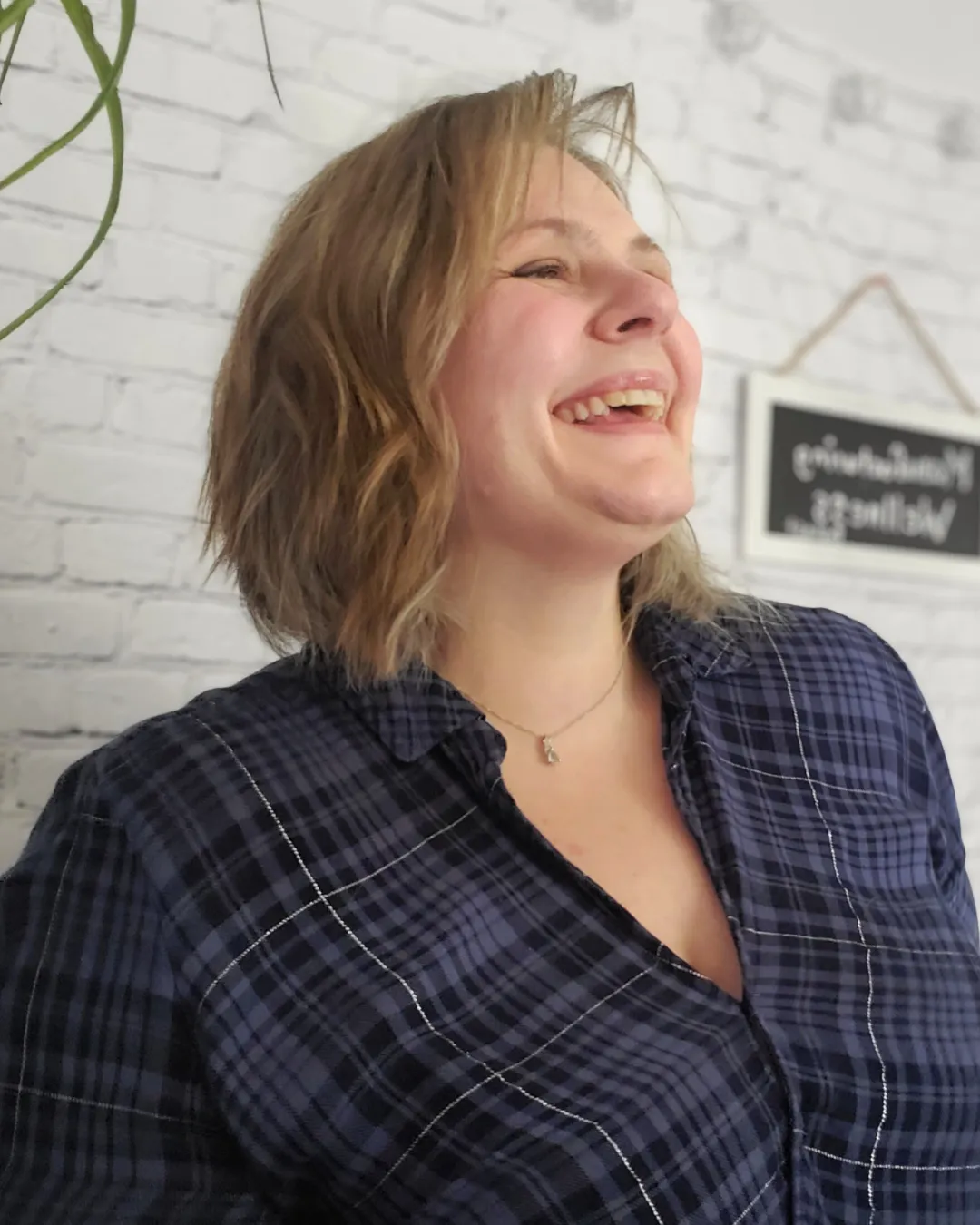
About me
Over the years my work has crossed several different environments.
- Leading global teams across time zones.
- Coaching shift workers navigating overnight schedules.
- Building backend systems for wellness businesses.
Different environments. Same focus.
Most of the time, the challenge isn’t effort.
It’s that the system doesn’t fit.
That belief has shaped how I approach everything I do — whether it’s helping someone build healthier habits, designing a corporate wellness strategy, or simplifying the technology behind a business.
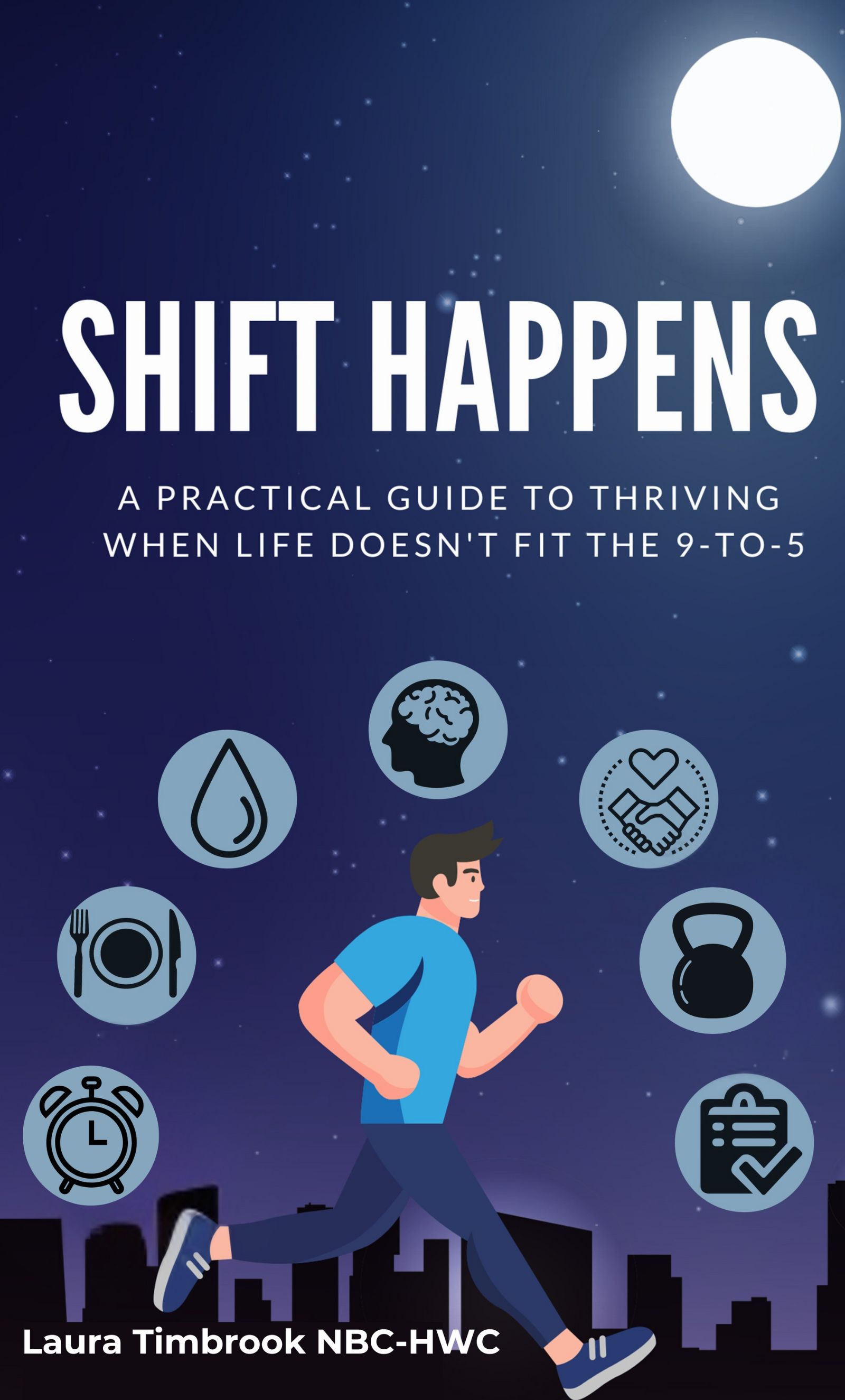
Along the way, I’ve also explored many of these ideas through writing and podcasting. I’m the author of Plate of Food and Shift Happens, and have hosted four podcasts over the past five years. In 2021, Outspoken Nutrition ranked in the top 5% of health and wellness podcasts worldwide.
For me, podcasting has always been another way to ask better questions, challenge assumptions, and explore what actually works in real life.

Projects & Collaborations
FAQs
Frequently Asked Questions
What does a corporate wellness strategist actually do?
As a corporate wellness strategist I help organizations design health initiatives that align with leadership priorities, workforce realities, and operational goals. Rather than offering surface level perks, the focus is on building programs that improve performance, retention, and long-term sustainability.
How can wellness be used as a leadership strategy
Wellness becomes a leadership strategy when it’s integrated into culture, communication, and operations, not treated as an add-on. When done well, it supports employee health, productivity, and morale while reinforcing organizational values.
How do you support shift workers and nontraditional schedules?
Traditional wellness advice often assumes a 9–5 lifestyle. Supporting shift workers requires aligning sleep, nutrition, stress management, and habit design with real-world schedules. The goal is to build systems that fit the person, not force the person into unrealistic routines.
What is a practical approach to behavior change?
A practical approach focuses on sustainability over intensity. It starts with listening, identifying friction points, and simplifying routines so habits can realistically fit into daily life. Long-term change comes from systems that reduce overwhelm, not increase it.
How can businesses simplify their technology and workflows
Simplifying technology starts with identifying unnecessary layers, overlapping tools, and inefficient workflows.
The goal is to streamline systems so teams spend less time managing software and more time focused on meaningful work.
What does coaching and technology have in common?
At first glance, coaching and technology seem very different. In reality, they share the same foundation: clarity.
In coaching, the process starts by understanding someone’s real challenges and aligning practical steps with their goals. It’s not about pushing a rigid plan, it’s about building a habits that fits.
Technology works the same way. When a business has clarity around its goals, workflows, and friction points, the right systems can be designed to support them.
Whether in health or in business, the principle is the same:
Listen first. Create clarity. Align the steps. Build something that works.
Can you help health coaching professionals streamline their practice?
Yes especially coaches who feel like they’re spending more time managing tools than coaching clients.
Many health coaching practices struggle with growth because they lack effective systems for lead generation. Scheduling, notes, follow-up, email, payments, and content often live in separate platforms making it nearly impossible to manage those clients and potential new leads. The result is friction and overwhelm.
The goal isn’t more software. It’s a cleaner structure that supports client care without constant babysitting.
How do you know if your coaching business systems aren’t working?
A few common signs:
- You do not have new leads coming in regularly
- You’re manually repeating the same tasks every week.
- Client information is scattered across platforms.
- You avoid updating systems because it feels overwhelming.
- You spend more time troubleshooting and setting up systems than coaching.
If something feels heavier than it should, it probably is.
Why do health coaches struggle with technology?
Many health coaches are trained deeply in behavior change but not in operations or systems design.
Without structure, technology can become reactive instead of supportive. The right systems should reduce mental load, not increase it.
Clarity first. Then tools.
How can better systems improve client outcomes?
When workflows are clear and consistent, coaches can focus fully on listening and guiding clients — instead of scrambling to manage logistics.
- Better systems mean:
- Clearer communication
- More consistent follow-up
- Less administrative stress
- More presence during sessions
When the backend works, the coaching gets stronger.
I am interested in getting a health coach, how can I contact you?
All my private coaching is done through UndoxaHealth.com you can click here to learn more about coaching.
Are you board certified coach?
Yes, I am a nationally board certified health and wellness coach. To learn more you can visit www.nbhwc.org